
Kaiser Permanente Center for Gun Violence Research and Education Awards $1.5 Million To Prevent, Treat, and Heal Firearm-Related Harms Through Healthcare
The Center’s 2025 awards invest in grantees advancing trauma-informed, real-world solutions that strengthen clinical and community partnerships, and improve safety and health in the most impacted communities.
December 11, 2025 – Today, the Kaiser Permanente Center for Gun Violence Research and Education announced the recipients of its 2025 funding cycle, with grants totaling $1.5 million. These awards support research and practice innovations that help health systems, clinics, and community partners prevent, treat, and heal firearm-related injuries and deaths. The supported work applies the same rigor that has reduced other major causes of injury and death—such as stroke, cancer, and heart disease—to firearm violence and suicide prevention.
2025 Grant Awardees
Below are the Center’s 2025 grant awardees and summaries of their projects. :
American Academy of Pediatrics will ensure evidence-based interventions to enhance firearm safety and prevent firearm suicide are accessible and relevant for the communities most in need.
- Partner organization: Johns Hopkins Center for Indigenous Health (JHCIH)
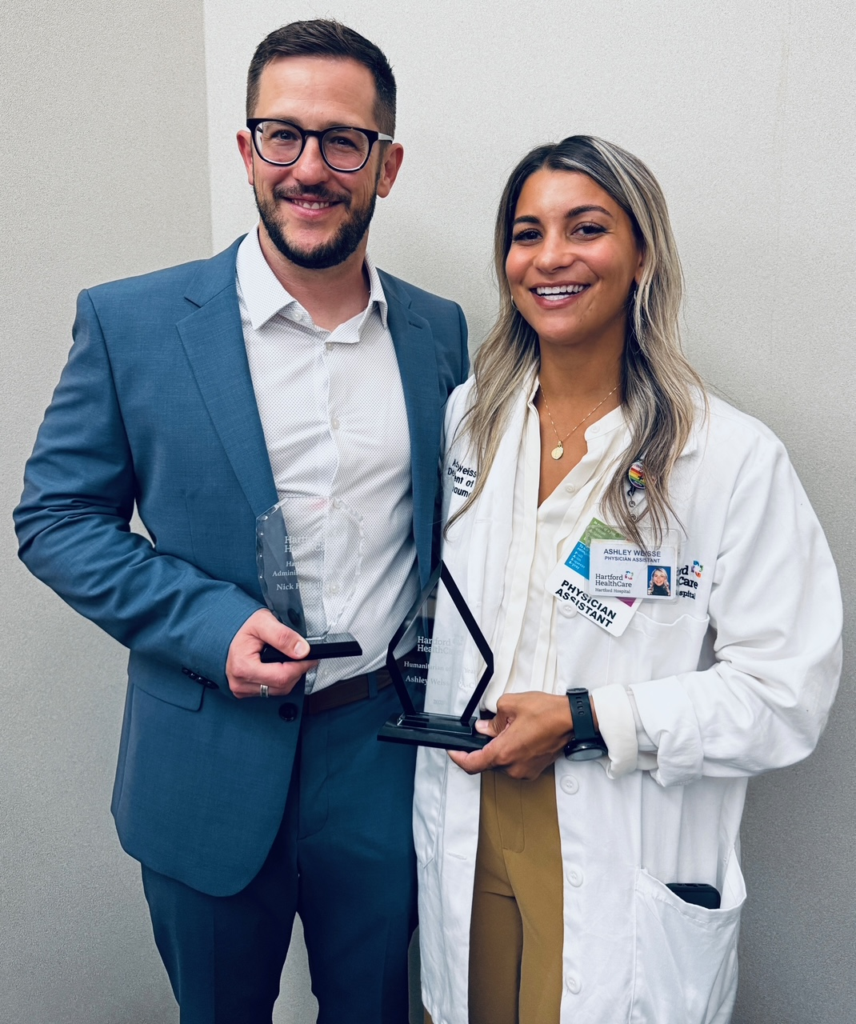
Hartford Hospital will develop a data collection system and evaluate outcomes of the hospital’s violence intervention program to generate insights that strengthen the firearm violence prevention efforts of healthcare systems.
- Partner organizations: Harriott Home Health Services, ROCA Hartford
Hennepin Healthcare Research Institute will enhance and extend clinical recovery supportfor survivors of firearm violence by establishing long-term connections with fellow survivor peer mentors. This project will create a survivor mentorship curriculum, implement it, and evaluate its impact on both mentor and mentee health outcomes.
- Partner organizations: Empower Therapeutic Support Services, Inc., Wellspring Second Chance Center
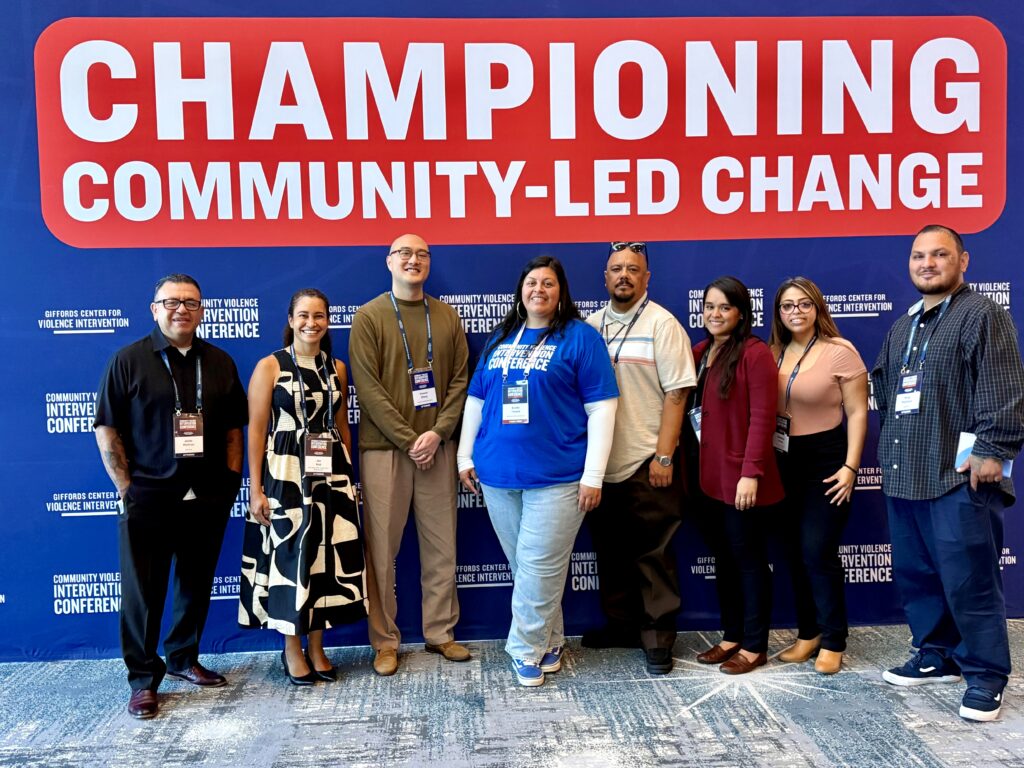
Lundquist Institute for Biomedical Innovation at Harbor-UCLA Medical Center will support frontline workers, a critical workforce that liaises between communities and hospitals to prevent and stop violence. This research project will provide new data to help hospital-based violence intervention programs identify, train, support, and retain frontline workers.
- Partner organization: Arise & Go
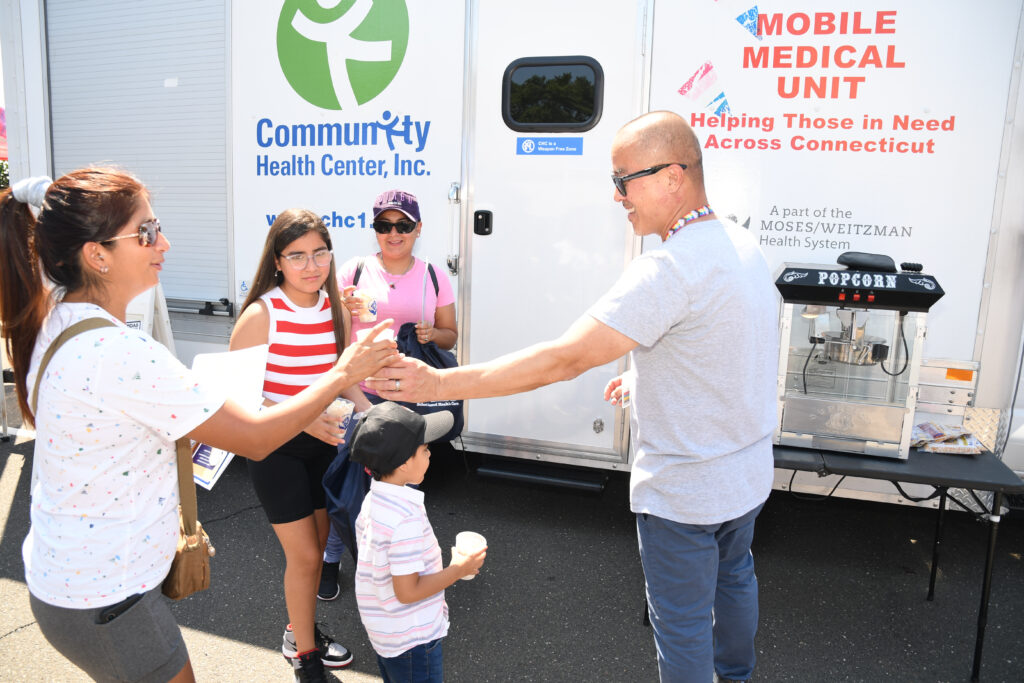
Moses/Weitzman Health System will shape how primary care can prevent firearm violence through a new risk screening tool and closed referral system model. This project will help connect patients identified as at-risk to programs that can help them, such as behavioral health, social services, and community violence intervention programs.
University of Pittsburgh will strengthen the pathway of emergency department patients toward healing and health. The project aims to examine how law enforcement presence in emergency departments influences patients’ engagement in violence prevention programs, and to develop recommendations for healthcare systems to improve patients’ engagement with healing opportunities.
- Partner organizations: Duke University, The CommUnity Peace Program (Pittsburgh), The University of Colorado
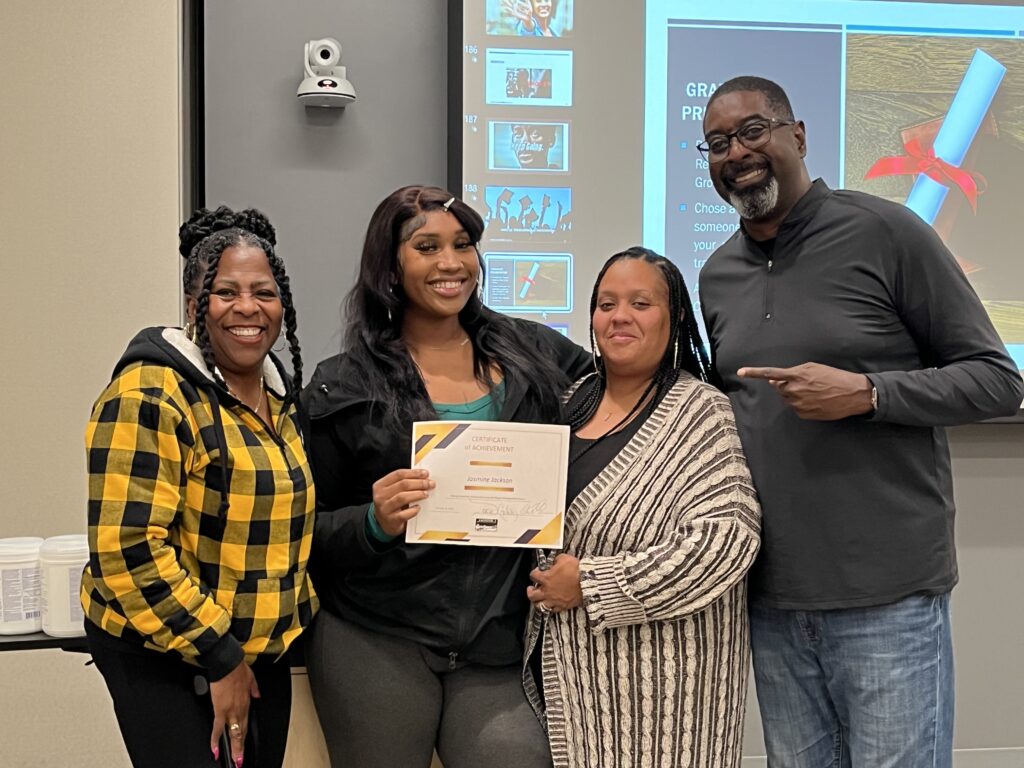
Urban Cities Healing Strategies will create a replicable curriculum for clinics and community health centers to integrate successful, community-led, well-grounded healing models into firearm injury prevention and survivor support programs.
- Partner organization: Bay Area Association of Black Psychologists


What This Year’s Awards Help Advance
This year’s awards emphasize healthcare practice and clinical care models grounded in the realities of healthcare and community settings—pairing prevention, timely intervention, and long-term recovery with community-informed insight and leadership.
- A strong focus on clinical innovation and practice-based evidence, including new care models, risk assessment tools, referral systems, and survivor-centered supports.
- Support for both capacity-building and new studies, allowing community-rooted organizations and health system partners to strengthen research and implementation infrastructure.
- Leadership with lived experience embedded in every project, strengthening relevance, trust, and the quality of evidence.
- A broad spectrum of investigators and organizations—ranging from frontline community programs to major healthcare systems—advancing scalable, sustainable approaches to prevent and heal firearm harm.
2025 Review Process and Funding Purpose
The Center is advancing its mission to ensure those most affected by firearm harm lead the solutions. The 2025 funding opportunity welcomed applicants with diverse research experience and required project leadership with experience to bring community insight to the work. This year’s highly competitive process drew more than 160 proposals, reviewed by experts from clinical, community, public health, and lived-experience perspectives. Selection emphasized relevance, impact, and need—reflecting the Center’s commitment to thoughtful, inclusive research that drives meaningful change.
“Healthcare systems can and should do more to prevent firearm harm with robust community partnerships,” said Fatimah Loren Dreier, Executive Director of the Kaiser Permanente Center for Gun Violence Research and Education. “The awarded projects will strengthen our understanding of clinical interventions’ role in reducing interpersonal firearm violence and suicide, expand access to these approaches in communities that need them most, and help spread the most effective practices nationwide.”
“Firearm violence is a preventable health crisis that needs solutions within and beyond clinical walls,” said Bechara Choucair, MD, Executive Vice President and Chief Health Officer at Kaiser Permanente. “Like cancer, heart disease, and other leading causes of preventable death, we study it so we can prevent it—and real-life experiences guide us. Through the Center, we are proud to make care safer and more responsive for our members and communities.”
About the Center
The Kaiser Permanente Center for Gun Violence Research and Education partners with communities, hospital systems, and public health to prevent firearm violence and suicide, advance trauma-informed care, and develop sustainable, evidence-based interventions. Since its inception, the Center has awarded $8.5 million to researchers, as well as community-based and national organizations. This funding supports prevention and clinical interventions that reduce the incidence and effects of community firearm violence and firearm suicide.
By focusing on driving meaningful change where it’s needed most, investing in inclusive grantmaking, and fostering collaboration across research, healthcare, and community, the Center empowers communities to lead change and strengthens the systems that reduce firearm violence and improve health outcomes. The Center advances its work through a collaboration between Kaiser Permanente and the Health Alliance for Violence Intervention (HAVI).